Have you ever wondered how the tableware you use every day is born? Today, let's pull back the curtain on tableware production and explore the crucial first step in the process-mold making.

As an industry saying goes, "Great tableware starts with great molds." Molds are like the "cradles" of tableware, determining the shape, quality, and aesthetic appeal of the final product. In modern manufacturing, mold making is primarily divided into two camps: traditional hand-crafted molds and the emerging 3D mechanical mold making. Let's dive in and see what characteristics each method brings to the table.

Hand-Crafted Molds: The Charm of Traditional Craftsmanship
A seasoned mold maker, armed with an array of delicate tools, meticulously carving a mold. This is the essence of hand-crafted mold making.
Advantages:
Creates complex and intricate shapes, ideal for designs with strong artistic elements
High flexibility, allowing for on-the-spot adjustments and modifications
Disadvantages:
Time-consuming process with lower efficiency
Higher labor costs
Consistency and precision may not match mechanical mold making

3D Mechanical Mold Making: The Power of Technology
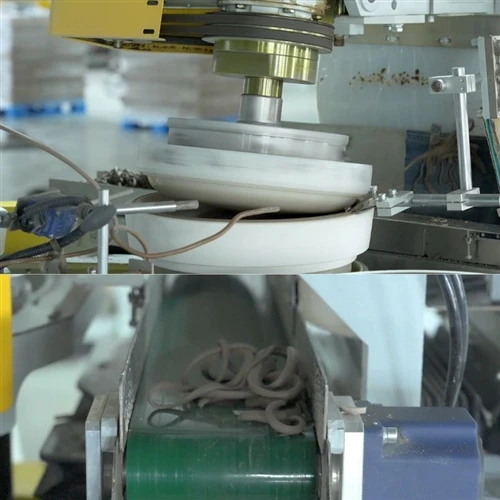
Now, let's shift our focus to the tech-savvy world of 3D mechanical mold making. Designers use CAD software to create precise 3D models, which are then brought to life by high-precision CNC machines or 3D printers.

Advantages:
High precision and consistency, perfect for mass production
Rapid production speed and high efficiency
Easy replication and modification of designs
Disadvantages:
High initial investment costs
May lack the flexibility of hand-crafting for extremely complex or specialized designs

How to Choose?
We typically base our mold-making method on the client's specific needs:
For large orders with simple designs and short deadlines, we generally opt for 3D modeling.
For complex designs that require a unique artistic touch, we usually choose hand-crafted molds.
The next time you pick up a beautifully crafted piece of tableware, take a moment to imagine its "cradle"-the meticulously created mold. Whether it's the product of a master craftsman's skilled hands or the result of cutting-edge technology, each mold embodies wisdom and craftsmanship, adding infinite beauty and functionality to our dining tables.