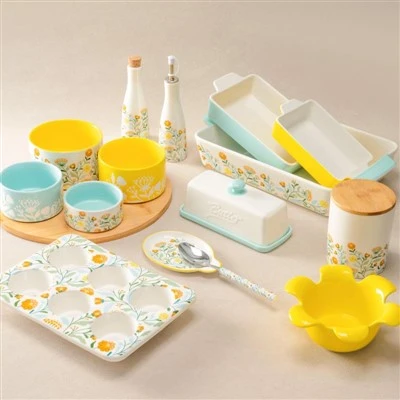
Wellwares: a Professional Spring Dinnerware Set Supplier
Our company is a one-stop purchasing manufacturer of ceramic tableware, working with leading brands such as Walmart, Target, Falabella, Sodimac, Wilko, Argos, HEMA, Sonae, Bezant, etc.
Variety of Products
Our main products include porcelain dinnerware, stoneware, bone china tableware, plates, bowls, cups, dinnerware sets, four-season dinnerware sets, etc. We are a solution provider that can meet all your requirements, from design, production, packaging, auditing, inspection to transportation.
First-Class Production Equipment
Our tableware is produced in an 80-meter tunnel kiln, which makes their glaze shiny and more thermally stable. In addition, we have our own laboratory and provide test reports for each batch of products. We are also equipped with a full set of environmental protection systems and certified for uninterrupted production.
Multiple International Certifications
Strict quality standards allow our tableware to pass US Proposition 65. All products are lead and cadmium free and pass European food contact safety testing. At the same time, our factory has passed multiple audits and international certifications, such as BSCI, Sedex, EU (ADD 17.6%), Disney, FDA and Prop CA 65 certification.
One-Stop Service
Service is at the heart of everything we do. We can carry out design, production, packaging, transportation and brand audit to provide customers with one-stop service. We have large warehouses in each factory and will arrange mass production in advance as a backup.
-
![Spring Floral Pink 16-Piece Coupe Dinnerware Set]() Spring Floral Pink 16-Piece Coupe Dinnerware SetAwaken Your Senses to Spring Bring the essence of spring to your table with our Spring Floral dinnerware. Inspired by wildflowers dancing in the sun and tender branches swaying in the breeze,...
Spring Floral Pink 16-Piece Coupe Dinnerware SetAwaken Your Senses to Spring Bring the essence of spring to your table with our Spring Floral dinnerware. Inspired by wildflowers dancing in the sun and tender branches swaying in the breeze,... -
![Lotus Embossed Dinnerware]()
-
![Salix Leaf Dinnerware Collection]() Salix Leaf Dinnerware CollectionExpertly crafted from ceramic stoneware, debossed salix leaf crafted by isolation pad printing tech, which is eye-catching and totally chic.
Salix Leaf Dinnerware CollectionExpertly crafted from ceramic stoneware, debossed salix leaf crafted by isolation pad printing tech, which is eye-catching and totally chic. -
![Fresh Forest Collection]() Fresh Forest CollectionGreen spring colors let you enjoy a variety of delicious flavors, creating a textured dining atmosphere to accompany you in exploring meals and seasons.
Fresh Forest CollectionGreen spring colors let you enjoy a variety of delicious flavors, creating a textured dining atmosphere to accompany you in exploring meals and seasons. -
![16 Piece Marble Dinner Set]()


Nothing adds excitement to your table like a new spring dinnerware set! From pretty painterly designs to bold graphic styles, these tableware are enough to make your spring feast a grand event. So whether you're planning Easter dinner with your family, a romantic spring dinner with your loved ones, or dreaming of heady days in the garden, these dinnerware sets will make the difference! From classic designs to colorful collections, picking out a spring dinnerware set that suits you and your personal style means your table presentation is all set. As part of our daily lives, investing in quality and beautifully designed tableware is essential for any home.
Common Items in a Spring Dinnerware Set
A dinner plate is the most commonly used type of plate. The primary use of this dish is as a main dish, usually for dinner. However, due to the size, shape, and functionality of dinner plates, they are also used as a main dish for other types of meals. Most dinner plates are round and somewhere between 11-12 inches in diameter (~27-30 centimeters), making them the biggest plate in a dinner set.
Dessert Plate
As the name suggests, dessert plates are used for desserts or sweet meals. While it is commonly used for these types of meals, the plate is sometimes repurposed for snacks and appetizers. A dessert plate is typically 8 inches in diameter (21 centimeters), making them one of the smaller sized plates in a dinner set.
Bread and Butter Plate
Bread and butter plates are side plates used for holding bread alongside a main course. They are usually the smallest dinner set plates and are about 6 inches in diameter (15 centimeters). Although these plates are commonly used for bread and butter, they may be used for holding any food accompanying a main course.
Soup Plate/Bowl
Soup plates or bowls come in various sizes, and there is generally no exact size recommended for one. That’s because a smaller soup bowl could be ideal for the entree, whereas a larger one would be preferred if the soup is served as the main course. Additionally, larger soup plates or bowls are also used for a creamy or saucy main dish, such as a pasta dish or one consisting of gravy. Overall, soup plates and bowls are typically round in shape and are considerably deeper to hold liquids.
Appetizer Plate
Appetizer plates are also quite diverse. They are often selected based on the appetizer that is being served. For example, a small round plate might be used to present a miniature filo nicely. Or, a small rectangle plate will nicely display a skewer. After all, an appetizer is a small and light meal preceding the main course intended to stimulate one’s appetite. They are commonly served at parties and are showcased decoratively. That is why a range of plates can be used for appetizers.
Cereal Bowl
Cereal bowls are typically small to medium-sized deep bowls used for breakfast cereals or muesli. Alternatively, one might use a cereal bowl at breakfast for fruit and yogurt.
Salad Bowl
Like soup bowls, salad bowls also come in various sizes. Again, it depends on whether the salad is an entree, main, or side to the main. Smaller salad bowls are used for entrees or sides, and larger ones are used when the salad is being served as a light main meal. Salad bowls may also be used to serve other side dishes other than salads. Generally, there is no specific bowl for serving a salad. Essentially, any bowl can be used as long as it fits its intended purpose well.
Platter
Platters are large, flat dishes used for displaying food, usually in the center of a table or at a buffet. Platters also come in various sizes but are generally quite large because they hold several servings for many guests. Most platters are somewhere between 32 cm – 43 cm (inches).
Place Plate
Place plates are not intended for food. Instead, they indicate a place at the table and sit beneath the other plates while people eat. These plates are for decorative purposes only, so they usually have quite an elaborate design or make a bold statement.
Features of Spring Dinnerware Sets
Oven Safe
Oven safe means that the dinner plates can withstand normal temperatures in the oven. You may wish to check whether your highest oven temperature is safe for your plates before putting them in the oven.
Dishwasher Safe
Dishwasher safe means that it is safe to wash your dinner plates in the dishwasher. If your plates have a design or are painted, you may wish to check whether it is safe to wash them in the dishwasher before doing so. Otherwise, the heat or the dishwasher detergent could harm your plates, and they could lose their color or design. If they are not dishwasher safe, hand-washing them with a gentle detergent would be best.
Microwave Safe
When plates are in the microwave, they are typically transferred from the refrigerator (because they are being used to store food) directly to the microwave. Therefore, the plates are being exposed to thermal shock, a sudden temperature change. Depending on the material the plates are made of, some plates cannot tolerate thermal shock. From this, they would break in the microwave while heating food. Again, this is another good feature to check before using your plates, especially if they are made from material you are not familiar with.

Benefits of Using Spring Porcelain Dinnerware Sets with Your Family
Porcelain dinnerware sets elevate children's mealtimes into enjoyable, engaging experiences. The elegance and sophistication of porcelain can make even simple meals feel special, inviting children to savor their food with tremendous enthusiasm. Intricate designs and patterns on the plates capture young imaginations, while the smooth, glossy finish enhances the visual appeal of the dishes served. As children dine using quality tableware, they develop an appreciation for the art of eating and an understanding of proper etiquette. Sharing a meal with siblings or friends using these exquisite bowls fosters a sense of togetherness and encourages children to appreciate mealtimes as special moments for bonding and conversation.
Porcelain's durability sets it apart from other materials. Imagine a dinner table filled with laughter, accidental knocks, and spills. Porcelain's authoritarian nature helps it withstand the daily chaos of family meals. You will find that it resists chipping and cracking far better than ceramics or stoneware. Plus, its elegant appearance makes for a beautiful dining experience. With porcelain dinnerware, you will enjoy peace of mind knowing your investment lasts longer while your children learn to appreciate the finer things in life. Imagine your kids enjoying colorful fruit salads, hearty pasta dishes, or bite-sized sandwiches. The set's design allows for easy food arrangement, making even the simplest meals visually appealing.
When it comes to your family's health, choosing porcelain dinnerware is a wise decision. Unlike paper, plastic, and some glass, porcelain is non-toxic and doesn't leach harmful chemicals into food. Think about the disposable paper plates and plastic cups often used at parties. Not only are they bad for the environment, but they can also introduce toxins into your meals. Plastic, for instance, may contain harmful chemicals like BPA, which can leach into food, particularly when heated. These chemicals have been linked to various health issues, including hormonal imbalances and developmental problems in children. Glass, while generally safer than plastic, can sometimes contain lead, especially in decorative or colored glassware. Lead exposure can cause severe health problems, particularly in children, affecting their nervous systems and cognitive development. Conversely, Porcelain is made from natural materials, such as clay, and is fired at extremely high temperatures. So this process results in a dense, non-porous surface that resists scratching and doesn't absorb odors or flavors from food. Porcelain dinnerware provides a safe, toxin-free environment for your family's meals, ensuring you enjoy your food without health concerns. By using porcelain dinnerware, you are reducing your children's exposure to harmful substances. Minimizing the risk of hormonal imbalances from BPA exposure can help prevent related diseases, such as obesity and type 2 diabetes.
Imagine a busy weekday morning, and your child wants warm oatmeal before school. You can heat their meal directly in the microwave with a porcelain plate or bowl, saving time and reducing the need for extra containers. This convenience allows you to serve wholesome, warm meals to your little ones without hassle, ensuring they are well-fed and ready for the day. Moreover, although generally dishwasher safe, glass can sometimes crack or chip under the pressure of water jets. Metals like copper and aluminum can tarnish or rust over time, impacting their appearance and potentially releasing substances into your food. With its non-porous surface and high heat resistance, Porcelain remains unscathed and maintains its elegant look, making it the best choice for dishwasher-safe dinnerware.
Other Common Materials of Dinnerware Sets
While most items in the dinnerware set are usually made of ceramic, porcelain or bone china, various other materials are also used. These include materials such as melamine or glass.
Melamine
Melamine is a material that feels similar to plastic, but it is more durable and has a nicer finish. It is derived from an organic compound called cyanamide. While melamine is quite durable, it can chip easily when not handled appropriately. Despite that, melamine is quite popular in busy restaurants and hotels because it is lightweight and easy to store several melamine dinner plates together.
Earthenware
Earthenware plates are a basic type of ceramic that can chip or shatter easily because it is made from generic clay. But these plates can add a nice rustic element to any meal, so they are still popular. Earthenware is also deemed one of the most sustainable materials, making them ideal for vegan or environmentally conscious restaurants.
Glass
Glass is one of the lesser common materials used for dinner plates. That’s because glass can shatter and scratch more easily. But when maintained, glass can look elegant at a dinner table and complement any meal. If glass is not practicable for dinner plates, it is easy to compromise and use it for platters instead.
The Ultimate Guide for Choosing Spring Tableware
The History And Meaning of Tableware
Tableware has been an essential part of human culture since ancient times. Historically, tableware was used not only for eating and drinking but also as a symbol of social status and wealth. In medieval times, the aristocracy often displayed their wealth by using gold and silver tableware. As time went on, tableware became more accessible to the general population, and new materials such as porcelain, glass, and stainless steel were introduced. Today, tableware comes in a wide variety of styles and designs, ranging from traditional to modern and minimalist. The meaning of tableware has also evolved over time. While it still serves its primary purpose of facilitating eating and drinking, tableware is now often used as a form of self-expression and an extension of home decor. From elegant porcelain to rustic wooden trays, the choice of tableware can reflect one's personal style and taste.
How to Select the Right Tableware?
Selecting the perfect tableware set for your home can be a daunting task, especially when you are confronted with a plethora of options in the market. With so many styles, colors, materials, and patterns available, it's easy to feel overwhelmed and unsure of where to start. However, there are a few key factors to keep in mind that can help you make an informed decision and select a set that meets your needs and preferences. We will explore some of these essential considerations that you should keep in mind when choosing the style of your tableware set, so you can feel confident in your purchase and enjoy your new dinnerware for years to come.
Fine China: Fine China is a type of ceramic dinnerware that is delicate and elegant. It is often used for formal occasions and can be decorated with intricate designs or gold trim.
Stoneware: Stoneware is a type of ceramic dinnerware that is durable and chip resistant. It comes in a range of colors and designs and is suitable for both casual and formal dining.
Glassware: Glassware includes all types of drinking glasses, from water goblets to champagne flutes. It can be made from various types of glass, including crystal, and can be decorated with etched designs or patterns.
Flatware: Flatware includes all types of utensils used for eating, such as forks, knives, and spoons. It can be made from various materials, including stainless steel, silver, and even plastic.
What Items are in a Tableware Set?
When it comes to tableware sets, there are a variety of items that can be included, depending on the needs and preferences of the occasion. A basic tableware set typically includes dinner plates, side plates, bowls, and mugs or cups. However, some sets may also include additional pieces such as serving platters, bowls, and cutlery. When it comes to tableware sets, the set may consist of various items. It's crucial to consider purchasing tableware that accommodates the amount of individuals living in your household or that will come to the organized occasion. Some of our table tableware collections that we recommend will be perfect for several occasions.
Choosing the Perfect Tableware for Your Spring Table
Spring is a time of renewal and growth, and your table setting should reflect that. Bright colors and natural elements can bring your table to life. We created a timeless spring dinnerware set, which will inspire you of combining natural materials, several color tones and the white porcelain. Consider using floral arrangements or incorporating fresh herbs into your table decor. Soft colors and vibrant greens can add a touch of elegance to your spring table. When choosing tableware for your spring table, there are a few things to keep in mind:
Consider the occasion: Will you be hosting a formal dinner party, or is it a casual get-together with friends? Choose tableware that is appropriate for the occasion.
Think about the color scheme: Spring is all about bright colors and fresh, lively designs. Choose tableware that complements the colors and theme of your spring decor.
Consider the material: Different materials have different benefits and drawbacks. Ceramic and stoneware are durable and chip-resistant, while glassware can add a touch of elegance and sophistication.
Mix and match: Don't be afraid to mix and match different types of tableware to create a unique and personalized look.
Seasonal Mix and Match Dinnerware Inspiration
Have you ever wondered how you can bring the essence of each season to your dining table? Often simple variations in colour, pattern, and texture can transform your dining space, infusing it with the very essence of every season, from the vibrant hues of spring to the cosy warmth of winter. Let’s prepare to dive into the world of seasonal mix and match dinnerware arrangements and elevate your dining experiences to a whole new level.
Spring Splendor
Spring evokes images of blossoms, pastels, and fresh beginnings. To achieve a spring-inspired mix-and-match setting, start with a neutral dinnerware set as your base. Add pastel salad plates with floral patterns, and complement them with glassware featuring delicate designs. Enhance the ambience with a centrepiece of freshly picked flowers.
Summer Sunshine
Summer calls for bright and cheerful tablescapes. Begin with a white or light-coloured dinnerware set. Incorporate bold, colourful side plates and bowls with vibrant patterns. Include beach-themed accessories like seashell napkin rings or tropical fruit centrepieces to bring the summer vibe to life.
Autumn Elegance
Fall is synonymous with warmth and earthy tones. Use rustic, earth-toned dinner plates and complement them with deep burgundy or forest green salad plates. Incorporate seasonal elements like pinecones, acorns, and candles as your centrepiece. The combination of colours and textures will exude autumn elegance.
Winter Wonderland
Winter invites a touch of opulence and cosiness. Start with classic white or silver dinnerware. Add deep blue or rich red side plates with intricate patterns. Decorate your table with shimmering candleholders, table runners, and sparkling glassware to create a winter wonderland right at your dining table.
Tips for Successful Mix and Match Dinnerware Sets
While the idea of mix and match dinnerware sets may seem appealing, it’s essential to approach it with a plan. Here are some tips to help you achieve a harmonious and balanced look:
Choose a Unifying Element
To prevent your table from appearing chaotic, select a unifying element that ties the different pieces together. This could be a colour, a pattern, a particular material, or a theme. The unifying element helps create cohesion while allowing for variety.
Start with the Basics
Begin with a foundational set that includes essential pieces like dinner plates, salad plates, and bowls. This set will serve as the backbone of your table setting. It’s advisable to choose a neutral or classic design for these core pieces to ensure their adaptability.
Layering
Layering is an effective technique for mixing and matching dinnerware. Consider layering smaller plates or bowls on larger ones to add depth and dimension to your table. This not only looks visually appealing but also offers practicality, allowing you to serve multiple courses with ease.
Play with Textures
Mixing textures can add a tactile dimension to your table. Combine smooth, glossy pieces with textured ones like stoneware or hand-painted ceramics. The interplay of textures can elevate the visual and sensory experience of dining.
Balance Bold and Subtle
Incorporate a balance of bold, statement pieces with more understated ones. This combination keeps your table from feeling overwhelming. For instance, if you have vibrant, patterned dinner plates, complement them with solid-coloured side plates and simple tumblers.
Consider Seasonal Accents
While your foundational pieces remain consistent, you can introduce seasonal accents like napkins, placemats, or centrepieces. These accessories can infuse the essence of the season without a complete overhaul of your dinnerware.
Our Certificate


Our History


Frequently Asked Questions
Q: How many dinnerware sets does a family of 6 need?
Q: What are plates and mugs made of?
Q: What are the benefits of ceramic tableware?
Q: Does ceramic dinnerware break easily?
Q: How durable is ceramic dinnerware?
Q: Will ceramic plates crack in heat?
Q: Can ceramic go in the dishwasher?
Q: What are the weakness of ceramics?
Q: Is ceramic useful or harmful?
Q: Does ceramic dinnerware scratch?
Q: Can ceramic plates warp?
Q: Why do ceramic plates break?
Q: Can I put a ceramic plate in the microwave?
Q: Which is better stoneware or ceramic?
Q: How do you clean ceramic dinnerware?
Q: Is ceramic as safe as stainless steel?
Wellwares (Shijiazhuang) Limited is one of the most professional spring dinnerware set manufacturers and suppliers in China, featured by quality products and good service. Please rest assured to wholesale customized spring dinnerware set at low price from our factory.
Lotus Embossed Dinnerware, 16 Piece Marble Dinner Set, Fresh Forest Collection