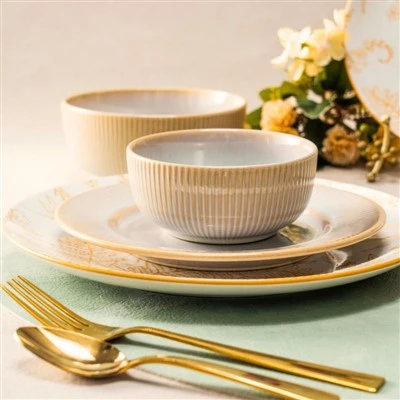
Wellwares: a Professional Cookware Supplier
Our company is a one-stop purchasing manufacturer of ceramic tableware, working with leading brands such as Walmart, Target, Falabella, Sodimac, Wilko, Argos, HEMA, Sonae, Bezant, etc.
Variety of Products
Our main products include porcelain dinnerware, stoneware, bone china tableware, plates, bowls, cups, dinnerware sets, four-season dinnerware sets, etc. We are a solution provider that can meet all your requirements, from design, production, packaging, auditing, inspection to transportation.
First-Class Production Equipment
Our tableware is produced in an 80-meter tunnel kiln, which makes their glaze shiny and more thermally stable. In addition, we have our own laboratory and provide test reports for each batch of products. We are also equipped with a full set of environmental protection systems and certified for uninterrupted production.
Multiple International Certifications
Strict quality standards allow our tableware to pass US Proposition 65. All products are lead and cadmium free and pass European food contact safety testing. At the same time, our factory has passed multiple audits and international certifications, such as BSCI, Sedex, EU (ADD 17.6%), Disney, FDA and Prop CA 65 certification.
One-Stop Service
Service is at the heart of everything we do. We can carry out design, production, packaging, transportation and brand audit to provide customers with one-stop service. We have large warehouses in each factory and will arrange mass production in advance as a backup.
-
![Submerged Micro-Pressure Enamel Cast Iron Dutch Oven]() Submerged Micro-Pressure Enamel Cast Iron Dutch OvenCombining time-tested slow-cooking traditions with precision engineering, this premium Enamel Cast Iron Dutch Oven series is built for exceptional heat performance, flavor enhancement, and...
Submerged Micro-Pressure Enamel Cast Iron Dutch OvenCombining time-tested slow-cooking traditions with precision engineering, this premium Enamel Cast Iron Dutch Oven series is built for exceptional heat performance, flavor enhancement, and... -
![12" Pre-Seasoned Cast Iron Wok – Your New Go-To Kitchen Workhorse]() 12" Pre-Seasoned Cast Iron Wok – Your New Go-To Kitchen W...Meet your new favorite pan, built for big batches, bold flavors, and endless cooking possibilities. This heavy-duty cast iron wok is designed to last a lifetime, with even heat distribution that...
12" Pre-Seasoned Cast Iron Wok – Your New Go-To Kitchen W...Meet your new favorite pan, built for big batches, bold flavors, and endless cooking possibilities. This heavy-duty cast iron wok is designed to last a lifetime, with even heat distribution that... -
![Outdoor Gourmet Cast Iron Starter Set]() Outdoor Gourmet Cast Iron Starter SetElevate your outdoor cooking with the Outdoor Gourmet Cast Iron Starter Set-the essential companion for campfire chefs and backyard grill masters alike. Crafted from heavy-duty cast iron, this set...
Outdoor Gourmet Cast Iron Starter SetElevate your outdoor cooking with the Outdoor Gourmet Cast Iron Starter Set-the essential companion for campfire chefs and backyard grill masters alike. Crafted from heavy-duty cast iron, this set... -
![5QT Enamel Cast Iron Dutch Oven in Red]() 5QT Enamel Cast Iron Dutch Oven in RedDiscover the 5QT Enamel Cast Iron Dutch Oven in Red, a stylish and functional addition to your kitchen.
5QT Enamel Cast Iron Dutch Oven in RedDiscover the 5QT Enamel Cast Iron Dutch Oven in Red, a stylish and functional addition to your kitchen. -
![6 Liters Gradated Cobalt Enameled Cast-Iron Oval Dutch Oven]() 6 Liters Gradated Cobalt Enameled Cast-Iron Oval Dutch OvenPerfect for all cooks, this versatile 6-liter Dutch oven excels in various dishes from stews to breads.
6 Liters Gradated Cobalt Enameled Cast-Iron Oval Dutch OvenPerfect for all cooks, this versatile 6-liter Dutch oven excels in various dishes from stews to breads. -
![6 Liters Larger Families Enamel Dutch Oven]() 6 Liters Larger Families Enamel Dutch OvenDiscover the versatility of our Enamel Dutch Ovens, available in various sizes to suit all your cooking needs.
6 Liters Larger Families Enamel Dutch OvenDiscover the versatility of our Enamel Dutch Ovens, available in various sizes to suit all your cooking needs. -
![Orange Enameled Cast Iron Dutch Oven Pot With Handle]() Orange Enameled Cast Iron Dutch Oven Pot With HandleThis orange enameled cast iron Dutch oven pot with a handle is part of a range of cast iron cookware to suit your kitchen cooking requirements. Equipped with a robust stainless steel knob, the...
Orange Enameled Cast Iron Dutch Oven Pot With HandleThis orange enameled cast iron Dutch oven pot with a handle is part of a range of cast iron cookware to suit your kitchen cooking requirements. Equipped with a robust stainless steel knob, the... -
![Cast Iron Dutch Oven With Handles, Lid And Black Cast Iron Skillet With Loop Handle]() Cast Iron Dutch Oven With Handles, Lid And Black Cast Iro...Enhance your dining experience with elegant table settings. Save time in the kitchen with the Instant Pot
Cast Iron Dutch Oven With Handles, Lid And Black Cast Iro...Enhance your dining experience with elegant table settings. Save time in the kitchen with the Instant Pot -
![Enameled Cast Iron Round Spring Collection, Sea Salt Green]() Enameled Cast Iron Round Spring Collection, Sea Salt GreenIntroducing the Enameled Cast Iron Round Spring Collection in Sea Salt Green, designed to elevate your cooking experience. With superior heat distribution and retention, this cookware ensures even...
Enameled Cast Iron Round Spring Collection, Sea Salt GreenIntroducing the Enameled Cast Iron Round Spring Collection in Sea Salt Green, designed to elevate your cooking experience. With superior heat distribution and retention, this cookware ensures even... -
![Orange Oval Cast Iron Casserole Pot]() Orange Oval Cast Iron Casserole PotA classic oval cast iron casserole pot with handles on both sides and a stainless steel knob on the lid. This spacious pot boasts superb heat retention capabilities and ensures uniform heat...
Orange Oval Cast Iron Casserole PotA classic oval cast iron casserole pot with handles on both sides and a stainless steel knob on the lid. This spacious pot boasts superb heat retention capabilities and ensures uniform heat... -
![Cast Iron Round Stew Soup Pot]() Cast Iron Round Stew Soup PotHigh temperature sintering, wear resistance and no discoloration. Energy saving 29*23*11cm Steam circulation, no peculiar smell. Storage, save space. Composite pot bottom, universal for stove....
Cast Iron Round Stew Soup PotHigh temperature sintering, wear resistance and no discoloration. Energy saving 29*23*11cm Steam circulation, no peculiar smell. Storage, save space. Composite pot bottom, universal for stove.... -
![Enameled Cast Iron Dutch Oven Pot with Lid, Heavy-Duty Casserole Dish]() Enameled Cast Iron Dutch Oven Pot with Lid, Heavy-Duty Ca...Experience the ultimate cooking versatility with the DuraCast Enameled Cast Iron. From frying and sautéing to slow cooking, stewing, and baking, this cookware piece is perfect for any meal. With...
Enameled Cast Iron Dutch Oven Pot with Lid, Heavy-Duty Ca...Experience the ultimate cooking versatility with the DuraCast Enameled Cast Iron. From frying and sautéing to slow cooking, stewing, and baking, this cookware piece is perfect for any meal. With...


Discover our collection of high-quality cast iron pots, including Dutch ovens, sauce pans, griddles, skillets, and woks. Our pots are designed to provide you with the best cooking experience possible, featuring thick walls, tight-fitting lids, and non-stick surfaces. Made from high-quality materials, our pots are built to last. Browse our collection today and find the perfect pot for your kitchen!

Cookware consists of different types of pots and pans that are used for specific purposes. Some of the pieces of cookware can be substituted for a type you may not have and still accomplish the type of cooking you need to perform. The pots and pans are available in different sizes and made of different types of material. Some materials are better than others when used for specific cooking methods. Materials used for the production of pans include aluminum, cast iron, copper, stainless steel, oven-safe ceramic or glass. Some of the most common types of cookware include braiser pans, casseroles, chef's pans, dutch ovens, frying pans, grill pans, omelet pans, roasting pans, saucepan, sauté pans, skillets, stockpots, and woks.
Types of Cookware
There are many different cookware types to help you saute vegetables, create a great soup, or roast the perfect main entree.
Pans
Cooking pans typically have one long handle and are more shallow than pots. They are used for high-heat cooking methods like sauteing, frying, searing, and reducing.
Fry Pan: Fry pans are an essential kitchen smallware that every restaurant should have in its cookware arsenal. They feature a round shape and moderately high, slightly sloped sides, which are helpful when tossing foods to evenly cook them in the pan.
Saute Pan: A saute pan features a wide, flat bottom and high, vertical sides. The straight sides maximize the pan's cooking surface while allowing it to hold more liquid without the risk of it spilling over the sides.
Cast Iron Skillet: Cast iron skillets can be used to cook a wide variety of foods, from searing steaks and bacon to baking a fruit cobbler or cookie cake to give them the perfect crust. A benefit of cooking with cast iron is that it can easily go from the stovetop to the oven to the table, making its versatility unmatched.
Wok: Woks are a type of Asian cookware that features a deep bowl with steep, high walls to cook foods from all sides of the pan. One of the many benefits of a wok is that food is cooked extremely quickly and thoroughly due to the even heat distribution. They are traditionally round-bottomed to cook on a wok range though flat-bottomed woks exist to be used on standard ranges.
Roasting Pan: Roasting pans are versatile pieces of cookware that are used to cook roasts, whole turkeys, and chicken. They are typically rectangular and feature a flat bottom and shallow sides. They can also be used to roast vegetables or cook baked goods like cinnamon rolls.
Paella Pan: A paella pan is designed to be shallow, so you can see all of the ingredients in your dish and stir them frequently. Its shallow construction and sloping sides help the paella cook evenly and help toast rice on the bottom of the pan.
mill CNC machine
Pots usually have dual handles on each side of the vessel and are deeper than pans since they are predominately used for heating and boiling liquids.
Brazier: Braziers, also called rondeau pans, feature a shallow height and wide cooking surface that is perfect for braising meats, vegetables, and legumes.
Sauce Pot: A sauce pot has a similar shape to a saucepan to promote the reduction of liquids; however, it has an overall larger volume, taller sides, and a larger base to cook larger quantities of sauces. It's best for slow cooking and simmering sauces like pasta sauce.
Stock Pot: A stock pot is the largest cooking pot in the kitchen and can be used to cook a variety of foods. It features a tall height that preserves liquids for longer and a thick base that promotes even slow simmering. A stock pot's smaller diameter also forces the liquids to bubble up through ingredients to maximize flavor transfer.
Fryer Pot: A deep fryer pot is a great alternative for kitchens wanting to offer small batches of fried food without the expense of a deep fryer. Many feature a side hook so that a draining basket can easily be attached to it for security.
Pasta Pot: Pasta cookers come with fitted strainers that take the hassle out of cooking pasta. When your pasta is ready, simply lift the strainer basket to remove the pasta from the hot water. Also great for cooking vegetables and seafood, the baskets allow you to keep the food contained while straining out water, oil, or other liquids.
Dutch Oven: Dutch ovens, also known as cocotte pots, are heavy, wide, and relatively shallow pots with thick, curved walls and tight-fitting lids. Dutch ovens are versatile and are great for braising tough cuts of meat like chuck roast, lamb shanks, and pork shoulder, as well as cooking no-knead bread, soups, and stews.
Double Boiler: Also known as a Bain Marie, a double broiler has an inner and outer container to perform temperature-sensitive tasks like melting chocolate and preparing delicate sauces and custards. A double broiler uses steam as a heat source to cook or melt food. The boiler pot is made to hold water while the inset fits tightly into the pot to heat the food gently but efficiently with steam.
Bakeware
Not just essential for bakeries, baking pans are useful for delis, restaurants, diners, and any other operation looking to create and serve their house-made goods. It's important to remember when choosing your baking pan that material, size, and color all affect bake time and results.
Angel Food Cake Pan: Angel food cake pans feature tall sides, smooth surfaces, and a tube in the center that is perfect for making angel food and bundt cakes. Many of the pans feature non-stick coatings for easy release and to help the cakes reach their light and fluffy texture. Some even feature a removable bottom for conveniently removing the cake and easier cleaning.
Bread and Loaf Pan: Bread and loaf pans are essential to any bakery, sandwich shop, or cafe looking to make house-made specialty bread. Bread pans come in a range of different mold shapes and sizes to be able to create french bread, sandwich rolls, and buns in addition to traditional bread loaves.
Sheet Pan: Sheet pans are one of the most used pieces of bakeware in any bakery, restaurant, or catering business. The thin sheet is ideal for baking cookies, rolls, and other foods that don't produce a lot of liquids, and the flat construction ensures even browning and baking. A majority of these pans feature non-stick surfaces or silicone glazes to allow easy removal of food products.
Cake Pan: Cake pans hold your batter while it’s in the oven and mold it into perfectly shaped cakes. Their tall, straight sides and flat bottoms help yield the ideal texture and rise. Based on the cake style and serving size you'd like to offer, the right type of cake pan is essential to your recipes. Many cake pans are made from aluminum to heat quickly and evenly, then cool quickly to prevent over-baking and dry cakes.
Muffin Pan: Commercial muffin and cupcake pans are made from aluminized steel, aluminum, cast iron, and even silicone to provide longevity in high-volume kitchens. Many have reinforced rims to prevent warping as well as non-stick glazes for easy release and cleanup.
Pie Pan: Pie pans in tin or aluminum baking materials are great for heat conduction and promote even browning. Plus, they help avoid the danger of breaking glass or china pans in high-volume bakeries and restaurants. For a visually appealing presentation, choose glass or china pie pans to display in your bakery window or case.
Springform Cake Pan: Springform pans are a type of cake pan with a removable bottom that attaches to its sides with a sprung collar. They are designed for use with delicate dishes that cannot be easily removed or flipped from the pan. Using a springform pan when making cheesecakes, ice cream cakes, tortes, and other delicate baked goods will ensure a flawless final product.
Tart Pan: Use a tart pan to perfectly form the crusts of baked dessert tarts, breakfast quiches, and miniature pies. Some feature a removable bottom that allows you to easily slip off the outer ring without marring your baked goods.
Benefits of Using High-Quality Cookware from Wellwares
High-quality cookware not only enhances the aesthetics of your kitchen but also offers numerous benefits when it comes to cooking and your overall health. When it comes to preparing meals, having reliable and well-crafted kitchen appliances is crucial. High-quality cookware is designed to distribute heat evenly, ensuring that your food cooks properly. Typically, these cookware items are constructed from enduring substances like cast iron, copper, or stainless steel. These materials are known for their longevity and ability to withstand high temperatures. By investing in durable cookware, you can enjoy cooking for years to come without worrying about frequent replacements. Here are some benefits of using high-quality cookware in the kitchen:


Durability
Selecting cookware that is long-lasting is highly important. When you opt for higher-quality items, you are investing in durable utensils that are designed to endure over an extended period. This will ultimately save you money in the future, as you won’t have to repeatedly purchase kitchen cookware. One of the best options for durable cookware is stainless steel. It is made from a mix of chromium and nickel, which gives it the added benefit of being resistant to rust and corrosion. To match your kitchen aesthetics high-quality cookware sets come in various sizes and styles. Moreover, some cookware also include non-stick options that are easy to clean and use.
Keeps Cooking Low Maintenance
Most of the high-quality cookware comes with a non-stick coating, which will make the cooking process easier. If you have the habit of eating healthy, these cookwares require minimum to no oil at all. So, the food that you cook is healthy. The non-stick surface makes the cleaning process also easier. Moreover, a quality collection of cookware will keep your kitchen de-cluttered and optimized to get to the task at hand.
Healthy Cooking
If you want to experience a healthy habit, make sure you are investing in high-quality cookware. Cookwares help reduce the risk of getting chemicals into your food and allow you to lead a healthier life. When you use cookware with a non-stick coating, you can use less oil, which is healthier for you. It’s reassuring to know that all the pieces in your cookware set come from a reliable brand. This way, you can be confident that you’re not exposing yourself to any harmful toxins that could negatively affect your well-being.
Distributes Heat Evenly
When you invest in high-quality cookware, you’ll experience the benefits of efficient and even heat distribution. This implies that your food will cook evenly and healthily. A precise temperature is maintained while cooking which reduces the chances of burning or sticking of food on the surface of the pan. When you have cookware that offers consistent heat distribution, you can trust that it will perform reliably and consistently throughout your cooking process. This means you won’t have to constantly monitor or make frequent adjustments to the heat levels while preparing your meals.
Looks Aesthetically Pleasing
When you have high-quality cookware in your kitchen, it makes the space look really nice. When guests come over, they often spend a lot of time in the kitchen, and having good-looking cookware adds to the overall appeal. The sleek design and attractive colors make your kitchen more visually appealing and create a pleasant atmosphere. Getting a cookware set with cool and appealing patterns will add color to your kitchen. Look for the cookware set that will magically pop your kitchen and opt for neutral colors. Choosing the same color will make your kitchen more organized and decluttered too. From neutral tones of gray or cream to bold colors like red and blue, you can find a cookware set that compliments your aesthetic too.
Investment Value
When it comes to the items you frequently use, it’s crucial to prioritize quality over price. It’s crucial to keep in mind that not all expensive products are automatically of excellent quality. Instead of focusing solely on the price tag, consider factors such as durability, performance, and customer reviews. Investing in a quality product ensures that it will withstand regular use and deliver reliable results over time. Even though the high-end cookware might initially require a higher upfront cost, know that it has many financial benefits in the long run. In comparison, low-quality cookware might need frequent replacements, leading to additional expenses. However, by investing in high-quality cookware, you can enjoy its benefits for years to come.
Enhanced Cooking Experience
To enhance your overall cooking experience, opt for high-quality cookware. The accurate heat control, uniform cooking, and consistent performance of premium pots and pans can elevate your culinary endeavors, making them more delightful and gratifying. With such cookware, you can immerse yourself in the art of creating delicious meals, free from concerns about the limitations or irregularities often associated with inferior cooking equipment.
Makes Storage Easy
When it comes to choosing a cookware set, one of the great advantages is how easy it makes storage. With a set, you can simply stack the pots and pans on top of one another, saving space and keeping everything tidy. To protect them from scratches or damage, just place a paper towel between each piece. By going for a cookware set, you not only make storage more convenient but also create a neat and efficient kitchen. It’s a practical choice that saves space and keeps your cookware in good condition.
Versatility
When it comes to choosing quality cookware, versatility is a key advantage to consider. Investing in a great set of pots and pans offers you the flexibility to cook various meals, whether it’s a quick individual dish or a feast for a large gathering. The wide range of cookware options available allows you to cater to different cooking needs. For instance, nonstick cookware is perfect for preparing meals with minimal oil, making it easier to cook healthier dishes. On the other hand, stainless steel cookware ensures even heat distribution, guaranteeing thorough and consistent cooking results.
Easy Maintenance
High-quality cookware is often designed to be easy to clean and maintain. Non-stick surfaces, for instance, make it easier to remove food residue, requiring less effort and time for cleaning. Some cookwares are dishwasher-safe, further simplifying the cleaning process.
Cookware Materials
It is more than likely that you will need cookware and bakeware in a few different material types to ensure you have the correct pot or pan for your recipe.
Cast iron cookware is great at retaining heat, which allows for quicker recovery between dishes and makes it an ideal serving vessel to keep cooked foods hot. It can be used on electric, gas, induction, or open flame heat sources and can withstand very high temperatures without warping or damage. It does require more maintenance than other cookware materials, but the benefit is that with routine seasoning and proper cleaning techniques, cast iron cookware can last a lifetime.
Aluminum cookware is affordable and an excellent conductor of heat. They are lightweight, so maneuvering them while cooking and cleaning requires less effort and is easier on the wrists. Pay attention to what ingredients you cook with when using bare aluminum cookware, unless it has a hard-anodized or non-stick layer, as it is reactive with acidic foods and can alter the flavor of your recipes.
Out of all the material types, copper cookware is the best to ensure even heat distribution. They are also one of the most visually appealing materials, making them a great choice for catering events, buffets, and restaurants with open cooking concepts. To make sure it is safe and non-toxic to use, you should only look into purchasing copper cookware that is lined with another material like steel or tin.
Stainless steel cookware holds many benefits including its durability, compatibility with induction cooktops, and its ability to be run through a dishwasher. Its nonreactive properties make it an excellent solution for your slow-simmering tomato sauces and other acidic recipes. However, stainless steel is a poor conductor of heat and can have trouble with even heating. To combat this, some manufacturers include an aluminum core in the cookware's bottom to promote heat distribution and eliminate hot spots.
Cast aluminum cookware conducts and retains heat well and it is also quick to cool down. It is lightweight, making it easy to handle, and many feature a durable, food-safe ceramic enamel coating that resists sticking and rust for long-lasting use. Plus, cast aluminum cookware is compatible with induction cooktops and is oven-safe.
Things to Consider Before Buying Cookware
A lot of your cookware buying decision hinges on what type of cooking you want to do and what you plan to cook. Depending on your cooking style, you can figure out what material you need for your cookware. Budget, materials, durability, and utility should be at the forefront when deciding to buy kitchen essentials. Here we have explained the things you need to consider before buying your cookware.
Budget
While price doesn’t determine most items’ standards, the budget is often the prime indicator of cookware quality. It is hard to find cookware with good quality and material that is also inexpensive. Besides, you should invest in cookware that you can use for several years to come; opting for something cheap can mean it will get ruined after a few use and you have to buy it again. However, price doesn’t always indicate the overall quality of cookware, so don’t forget to conduct thorough research on different brands.
Your Cooking Style
Do you love cooking and often show off your cooking skills to your friends? Or you might be one of those people who love displaying their cooking essentials like some prized possession. If you are either one of these, you need to buy something that is both durable and nice to look at. Amateur cooks don’t need to invest in durability as they will occasionally use it occasionally; making it last longer.
What Will You Use It for?
If you have just gotten your kitchen and want to try your hand with just some basic cooking, buying all the bare necessary cookware will suffice for you. However, if you prefer experimental cooking with a myriad of cookware, you need to go beyond what is essential in the kitchen. Besides, your cookware should be able to support all your cooking needs. If you use your cookware for oriental style cooking that involves a lot of frying and sautéing, you need pans that are durable and easy to clean. Your cookware choice can also vary depending on what you chose to cook- meat, fish, or vegetable. The best option will be to buy something that can fare well with everything, without causing a delay in the cooking process.
A Set Or Individual Items?
You might consider buying a set if you have just gotten your place and start everything from scratch. Besides, buying a set can get you some discount on the whole package, and you will not miss out on buying something that is a must-have for your kitchen. However, buying a new set just to replace some of the items from your existing set might seem impractical.
Materials
Material is the most deciding factor in buying cookware. There are four different materials available for cookware - stainless steel, cast iron, copper, and aluminum. However, some cookwares are made of composite material, allowing you to combine the advantages of two materials within a single item. Each material has its quirks. For example, stainless steel cookware is most widely used as they are lightweight and easy to clean, but they are a poor heat conductor. You should choose a material that can serve your cooking needs. Some materials can be hazardous for your health and the environment. For instance, Teflon coated non-stick frying pans may release chemical substances if heated beyond 250°C; make sure you strictly follow the user restriction to save yourself from chemical exposure.
What Utilities Does It Feature?
Cookware often comes with different features. Handles, lids are some essential features to consider in cookware. Make sure the lids are tightly sealed and oven-proof so that you can use them for cooking in the oven. Avoid buying pots with a wooden or plastic handle, they are not eco-friendly, and you can’t use them in the oven.
A Good Conductor of Heat
The cooking process requires heat conduction. Different metals have different heat conduction qualities. Copper is the best at heat-conducting; it can conduct heat 20 times better than stainless steel; this ensures an even spreading of heat and even cooking. Better heat conductivity also means better heat sensitivity; you will see a faster result of temperature adjustment in copper cookware than in stainless steel cookware.
Durability
Durability is the desired quality in cookware if you plan on long term use. Cast iron cookware might turn out to be the most durable material for cookware. For all you know, you might even have some cast iron skillet from your grandparents’ house lying around somewhere on your kitchen shelf. Aluminum and stainless steel cookware are also pretty durable considering their lightness.
Maintenance
Are you someone who despises doing the dishes? If yes, then you need to consider buying something that will require minimum maintenance. You might prefer stainless steel cookware as they don’t need much to keep up to make them shiny. And if you are someone who takes great pleasure in shining your dishes, you might consider cast iron or copper cookware.
Is It Compatible with Your Stove Type?
If you have an open fire gas stove, you can use almost all pan types in your kitchen- starting from round bottom oak or flat-bottom pans. However, if you have an induction stove, you need to pay special attention to your cookware type. Make sure you buy that can sit evenly on your stovetop without ruining the glass surface of your induction.
Our Certificate


Our History


Ultimate Guide
Q: Can I mix and match cookware or do I need to buy a set of just one material?
Q: What size Dutch oven do I need?
Q: Can the surface of nonstick cookware scratch off?
Q: Is nonstick safe?
Q: Can enamel cookware be used in the oven?
Q: What size roasting pan do I need?
Q: What is an induction stove top and what kind of cookware works on it?
Q: How do you season a cast iron pan?
Q: Can I use cast iron over any heat source?
Q: Can I use soap to wash my cast iron pan?
Q: What is enameled cast iron?
Q: How do I clean a rusty cast iron pan?
Q: How long does cast iron cookware last?
Q: Can you put enameled cast iron on the stove?
Q: Does enameled cast iron need to be seasoned?
Q: Is it OK to boil water in enameled cast iron cookware?
Q: How do you clean a Dutch oven?
*Avoid Abrasive Cleaners: Even with the protective enamel coating, you do need to be careful that you don’t scratch it - so we recommend avoiding steel wool or other abrasive cleansers.
*Do Not Use the Dishwasher: Dutch ovens should never be put in the dishwasher, where it can easily get scratched by metal utensils. Instead, warm water, dish soap, and a dish sponge should be enough to get the surface clean. If you have particularly stubborn residue, let it soak until loosened. But don't soak up the unfinished cast iron lip - if left soaking too long, the unfinished lip can rust.
*Wash Gently: We recommend washing your Dutch oven by hand with a soft sponge and mild dish soap or ceramic cleaner. Make sure you always thoroughly dry it to avoid water spots or rust. If you have stubborn stains, there are a few things you can do. The first method is to put a few drops of soap in your Dutch Oven and soak in hot water for 15-20 minutes, then scrub with the rougher side of a sponge.
Wellwares (Shijiazhuang) Limited is one of the most professional cookware manufacturers and suppliers in China, featured by quality products and good service. Please rest assured to wholesale customized cookware at low price from our factory.
Orange Oval Cast Iron Casserole Pot, 6 8 10 Cast Iron Frying Pan Set Cast Iron Skillet Kitchen Deep Fryer Diameter 15 5 20 25 cm, Cast Iron Round Stew Soup Pot