Wellwares: a Professional Glassware Supplier
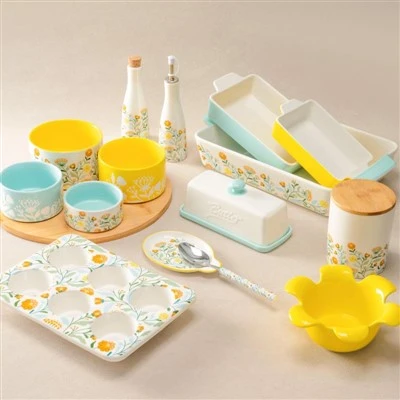
Our company is a one-stop purchasing manufacturer of ceramic tableware, working with leading brands such as Walmart, Target, Falabella, Sodimac, Wilko, Argos, HEMA, Sonae, Bezant, etc.
Variety of Products
Our main products include porcelain dinnerware, stoneware, bone china tableware, plates, bowls, cups, dinnerware sets, four-season dinnerware sets, etc. We are a solution provider that can meet all your requirements, from design, production, packaging, auditing, inspection to transportation.
First-Class Production Equipment
Our tableware is produced in an 80-meter tunnel kiln, which makes their glaze shiny and more thermally stable. In addition, we have our own laboratory and provide test reports for each batch of products. We are also equipped with a full set of environmental protection systems and certified for uninterrupted production.
Multiple International Certifications
Strict quality standards allow our tableware to pass US Proposition 65. All products are lead and cadmium free and pass European food contact safety testing. At the same time, our factory has passed multiple audits and international certifications, such as BSCI, Sedex, EU (ADD 17.6%), Disney, FDA and Prop CA 65 certification.
One-Stop Service
Service is at the heart of everything we do. We can carry out design, production, packaging, transportation and brand audit to provide customers with one-stop service. We have large warehouses in each factory and will arrange mass production in advance as a backup.
-
![8L Glass Beverage Dispenser - Premium Soda-Lime Glass]() 8L Glass Beverage Dispenser - Premium Soda-Lime GlassServe in Style, Indoors or Out! Elevate your entertaining with our elegant 8L Glass Dispenser. Perfect for serving juice, beer, wine, cocktails, or infused water at parties, events, meetings, or...
8L Glass Beverage Dispenser - Premium Soda-Lime GlassServe in Style, Indoors or Out! Elevate your entertaining with our elegant 8L Glass Dispenser. Perfect for serving juice, beer, wine, cocktails, or infused water at parties, events, meetings, or... -
![Premium 370ml Square Glass Food Containers With Lids – 3-Piece Set]() Premium 370ml Square Glass Food Containers With Lids – 3-...Elevate your meal prep and storage with our premium borosilicate glass containers. Designed for everyday resilience, this 3-piece set combines sleek functionality with health-conscious materials,...
Premium 370ml Square Glass Food Containers With Lids – 3-...Elevate your meal prep and storage with our premium borosilicate glass containers. Designed for everyday resilience, this 3-piece set combines sleek functionality with health-conscious materials,... -
![Glass Storage Containers For Meal Prep]() Glass Storage Containers For Meal PrepElevate your kitchen experience with our Glass Storage Containers, designed for both style and functionality.
Glass Storage Containers For Meal PrepElevate your kitchen experience with our Glass Storage Containers, designed for both style and functionality. -
![Glass Fresh Box - Best Seller! Stylish And Practical!]() Glass Fresh Box - Best Seller! Stylish And Practical!Transform your kitchen experience with our Glass Fresh Box!
Glass Fresh Box - Best Seller! Stylish And Practical!Transform your kitchen experience with our Glass Fresh Box! -
![Monet Garden Style Glass Cup 400ml - Sip in Style]() Monet Garden Style Glass Cup 400ml - Sip in StyleElevate your beverage experience with our Monet Garden Style Glass Cup, offering a generous 400ml capacity. Inspired by the timeless elegance of Monet's garden, this glass cup marries natural...
Monet Garden Style Glass Cup 400ml - Sip in StyleElevate your beverage experience with our Monet Garden Style Glass Cup, offering a generous 400ml capacity. Inspired by the timeless elegance of Monet's garden, this glass cup marries natural... -
![Green Tropical Leaf Patterned 160ml Tea/Coffee Cup With Handle]() Green Tropical Leaf Patterned 160ml Tea/Coffee Cup With H...Add a touch of botanical charm to your home decor and tableware with this tea/coffee cup. It's not only practical but also a beautiful decorative piece.
Green Tropical Leaf Patterned 160ml Tea/Coffee Cup With H...Add a touch of botanical charm to your home decor and tableware with this tea/coffee cup. It's not only practical but also a beautiful decorative piece. -
![Artisan-Crafted Forest Green Glass Vase]() Artisan-Crafted Forest Green Glass VaseThis forest green glass vase embodies craftsmanship with its meticulous artisanal skill and modern organic design. Its bold yet elegant appearance, featuring embossed luster and high gloss...
Artisan-Crafted Forest Green Glass VaseThis forest green glass vase embodies craftsmanship with its meticulous artisanal skill and modern organic design. Its bold yet elegant appearance, featuring embossed luster and high gloss... -
![Charming Green Glasse Tumbler, Borosilicate Glass, Blown Tech]() Charming Green Glasse Tumbler, Borosilicate Glass, Blown ...Enhance your daily beverages with these enchanting green glassware. Our glass tumblers add a touch of seafoam green to your drinkware collection, blending the traditional artistry of borosilicate...
Charming Green Glasse Tumbler, Borosilicate Glass, Blown ...Enhance your daily beverages with these enchanting green glassware. Our glass tumblers add a touch of seafoam green to your drinkware collection, blending the traditional artistry of borosilicate... -
![Confetti Glass Vase]() Confetti Glass VaseFeaturing a bright and vibrant design, the Confetti Glass Vase is a unique piece handcrafted by glass artisans using ancient techniques.Each vase is one-of-a-kind with slight color variations,...
Confetti Glass VaseFeaturing a bright and vibrant design, the Confetti Glass Vase is a unique piece handcrafted by glass artisans using ancient techniques.Each vase is one-of-a-kind with slight color variations,... -
![Speckle Bubble Gourd Glass Vase]() Speckle Bubble Gourd Glass VaseIndulge in the exquisite beauty of our Speckle Bubble Gourd Glass Vase, meticulously handcrafted with hundreds of miniature bubbles inside, creating a unique and captivating effect. Made from...
Speckle Bubble Gourd Glass VaseIndulge in the exquisite beauty of our Speckle Bubble Gourd Glass Vase, meticulously handcrafted with hundreds of miniature bubbles inside, creating a unique and captivating effect. Made from... -
![Glass Containers for Food Storage with Lids]() Glass Containers for Food Storage with LidsNo matter if it's cookies, bread, pasta, tea leaves, or any other delicious food that needs to be preserved, you can ensure their freshness and flavor are retained by using our glass storage...
Glass Containers for Food Storage with LidsNo matter if it's cookies, bread, pasta, tea leaves, or any other delicious food that needs to be preserved, you can ensure their freshness and flavor are retained by using our glass storage... -
![Sparkling Dewdrops Glass Dinnerware]() Sparkling Dewdrops Glass DinnerwareIn the early morning, as the first ray of sunlight gently illuminates the graceful lotus leaves, dewdrops dance and shimmer on the petals, radiating a captivating glow. Inspired by this...
Sparkling Dewdrops Glass DinnerwareIn the early morning, as the first ray of sunlight gently illuminates the graceful lotus leaves, dewdrops dance and shimmer on the petals, radiating a captivating glow. Inspired by this...


WWS Glass aims to provide pressed sodium calcium and blown borosilicate glassware, exquisite color, skilled craftsmen and imaginative designs have made WWS famous in the craft of glass.
Our goal is spreading the joys of the traditional crafts, combined Retro-Futurism and craftsmen struggle to showcase the non-lead household crystalware.
Our handmade glassware products are individually crafted by glassmakers with decades of experience. With our skillful technique, we give you a more tasteful experience that makes you feel special.

Glassware consists of objects made of glass, such as mugs, drinking containers, and dinnerware. From very early times glass has been used for various kinds of vessels, and in all countries where the industry has been developed glass has been produced in a great variety of forms and kinds of decoration, much of it of great beauty. It is made from abundant and natural raw materials that are melted at very high temperatures to form a new material. Glassware is an essential part of any bar or restaurant. It not only serves functional purposes, but it also adds to the overall aesthetic appeal of the establishment. There are various types of glassware that are commonly used in bars and restaurants, each with its own unique purpose.
Common Types of Glassware
Glass vases are not only beautiful, but also versatile. They can be used in a still life with a bouquet or single flower stems, but also for different types of plants and cuttings, utilising the transparent quality of the vase to expose the plant's fascinating roots. The sculptural shape and simplicity of the vases adds colour and decoration to the interior - even when empty. Glass is something special in interior design; it provides lightness, beautiful shadows in the sun and lots of personality, both in the mix of vases and knick-knacks, but also with the flowers you choose. All the vases are handmade from coloured borosilicate glass, a beautiful transparent material that can withstand large temperature fluctuations. All vases are mouth-blown and blown into a mould, ensuring uniformity in size and avoiding small irregularities. The vases are also perfect for creating a cosy and personal look in your interior design. The small round vases and cylindrical vases in different heights can be mixed and matched in countless ways, and the colours can create exciting contrasts and play with light and shadow.
Glass is better for the environment - When it comes to durability, longevity, and its ability to be recycled, glass outperforms plastic on environmental impact. Glass containers can outlast the lifespan of plastic containers in the kitchen if they are properly taken care of. Plastic is prone to melting or discoloration whereas glass remains a durable and long-lasting solution for food storage. Additionally, glass is 100% recyclable, and so long as it is properly disposed of, it can be recycled at a designated facility. Glass containers for food keep food and drink fresher for longer because, unlike other packaging materials, glass is inert and needs no chemical layer between it and the food in question. It also doesn't affect the taste of any food. In addition, glass containers are heat-tolerant and can be microwaved, heated in the oven, or placed into the dishwasher. Since they are non-porous, glass materials do not absorb or release any toxic chemicals or microscopic particles when used. If you are looking for a food-safe storage solution, glass is the best choice.
Glass dinnerware is usually fired at extremely high temperatures. As a result, it is durable and non-porous. Glass dinnerware has several variations and is microwave- and dishwasher-safe. Glass dinnerware can be quite elegant for fine dining or entertainment, or even for a casual meal at home. Modern day glass dinnerware is typically one of the safest options when looking for lead free dishes. Clear glass is made from a combination of natural silica, soda ash, and lime, resulting in a nonporous, hard and inert material. Clear glass dishes and bakeware do not usually contain harmful heavy metals such as lead or cadmium, making it a safe choice for cooking as well as food and drink consumption. One of the unexpected advantages of glass dinnerware is its transparency, which allows for easy monitoring of not only food during the cooking process but also the cleanliness and integrity of the dish. It's also resistant to staining, easy to clean and does not retain odors. Safety doesn’t always mean nasty chemicals, though. Glassware is more prone to breakage than some other materials, so you should handle this dinnerware with caution to avoid injuries. But another awesome advantage of glass is that it can be endlessly melted down and recycled, meaning it’s good for the environment, too!
Amber glass was initially created to imitate expensive, imported French wine glasses, which had become popular in the late 1700s and early 1800s. It is a type of glass that has a light amber color. It is also known as “amber” or “amber-colored.” The color of the amber glass is usually caused by manganese, which can give off a yellowish tint and can also be caused by the presence of nickel and copper. It is not just used for windows but can also use for things like lamps and other lighting fixtures. Amber glassware are food safe because they have a shallow risk of contamination and the risk of breakage is also very low. They can be used for storing anything from spices to dry noodles, fruits, nuts, or even beverages such as wine or olive oil. Amber glass also have better insulation properties than regular clear glass, meaning food will stay fresher for extended periods when stored inside them.
As the name suggests, these stylish mugs consist of a double layer of material – usually borosilicate glass. Borosilicate glass contains boron trioxide and has a low coefficient of thermal expansion. This means that, unlike regular glass, it doesn’t crack under extreme heat and can cope with temperatures up to 100 degrees. The double layer of glass makes them thicker, but not necessarily heavier. Borosilicate glass is in fact a naturally light-weight material. These pretty mugs are essentially a glass within a glass. In between the layers is a pocket of air and since air has a lower thermal conductivity than glass, heat cannot pass easily between the layers. Heat is retained for longer, and your drink stays warm. It’s the perfect vessel, then, for a piping hot cuppa. Double-walled glass mugs are as much a practical kitchen addition as they are a decorative one. Once you’re aware of the benefits of these nifty vessels you might never go back to the humble ceramic mug. Whether you’re a latte lover or espresso evangelist, we have an extensive range of pretty, double-walled mugs that not only look great in your kitchen but also extend your drink’s life span.
The glass mug set is the perfect mug set for everyday use. These glass mugs can be used to serve coffee and tea, hot chocolate, iced coffee, cappuccino, latte, espresso and more. They feature reinforced edges, a sturdy design and perfectly balanced proportions. These glass mugs are very sturdy and can withstand the high temperatures of the glass and are also microwave and dishwasher safe. Crystal clear construction allows for excellent product visibility. These cups are easy to clean and they can serve you both casual and formal gatherings as well as hot or cold drinks. Glass mug set makes a great gift for any occasion, including Christmas, birthdays, wedding anniversaries, Valentine's Day, Father's Day, Mother's Day, housewarmings, college graduations! You can choose different sizes and set combinations according to your needs.
Benefits of Using Glassware
Glassware offer a range of benefits that make them a great addition to any occasitions. Here are some of them:


Versatility
Glassware are highly versatile and can be used for a wide range of purposes. Glass containers for kitchen are perfect for storing food as they are non-porous and do not retain food odors or stains. They are also microwave-friendly, allowing you to reheat your food without having to transfer it to another container. This means that you can save time and effort while cooking and cleaning up. Additionally, glass microwave bowls can be used to cook and serve food directly, making them a versatile and convenient addition to your kitchen.
Durability
Glassware are highly durable and can withstand regular use and wear and tear. They are made from tempered glass, which is four to five times stronger than regular glass, making them resistant to breakage, chipping, and cracking. This means that you can use them daily without worrying about them breaking or getting damaged easily. Glassware sets are also scratch-resistant, ensuring that they look new and fresh for a long time.
Style
Glassware are available in a wide range of styles, designs, and colors, making them a stylish addition to any kitchen. Glassware sets can add a touch of elegance and sophistication to your dining table, making them perfect for entertaining guests. The glassware are available in a range of contemporary and unique designs, adding a modern and stylish touch to your kitchen and dining area.
Non-Toxic
Glassware sets are a healthier and safer option compared to other materials like plastic. Glass containers for kitchen are non-toxic and do not leach harmful chemicals into your food, ensuring that your meals are safe and healthy to consume. Glass microwave bowls are also a safer option compared to plastic containers that can melt or release harmful chemicals when heated.
Easy to Clean
Glass crockery sets are easy to clean and maintain, making them a hassle-free option for daily use. They can be easily washed with soap and water, and are dishwasher safe, saving you time and effort in cleaning up. Additionally, glassware sets are stain-resistant, ensuring that they do not retain any food odors or stains, keeping them looking new and fresh for a long time.
Environmentally Friendly
Glass crockery sets are an environmentally friendly option compared to plastic or other materials. Glass is a recyclable material that can be reused multiple times without degrading in quality. Using glass containers for kitchen or glass microwave bowls can help reduce the use of disposable plastic containers, reducing waste and promoting a greener lifestyle.
Heat Resistance
Glassware sets are highly heat-resistant, making them suitable for use in high-temperature environments like ovens or microwaves. Glass containers for kitchen are perfect for storing hot and cold food items, ensuring that the temperature of the food is maintained. Glassware can be used to cook food in the microwave, allowing you to make quick and easy meals without compromising on taste or quality.
Non-Reactive
Glass crockery sets are non-reactive, meaning that they do not react with acidic or alkaline foods. This makes them ideal for storing and serving foods that contain acidic ingredients like tomato sauce, lemon juice, or vinegar. Glass containers for kitchen are also perfect for marinating meats, ensuring that the flavors of the marinade are not affected by the container.
Affordability
Glassware sets are an affordable option compared to other materials like porcelain or ceramic. Glass crockery sets are available in a range of price points, making them accessible to everyone. The glassware sets are competitively priced, ensuring that you get high-quality glassware at an affordable price.
Hygienic
Glass containers for kitchen or glassware sets are highly hygienic as they are easy to clean and maintain. Glass is a non-porous material, meaning that it does not absorb bacteria or odors, ensuring that your food remains fresh and safe to eat. Glassware sets are also ideal for people with allergies or sensitivities as they do not contain any harmful chemicals or materials.
3 Most Common Glass Types for Glassware
Glassware is engineered to have different physical, chemical, and optical properties. Different applications require specific types of glass and manufacturing processes. In commercial glass manufacturing, a variety of glass compositions are commonly used. We’ll briefly look at the three most common glass materials used to make glassware.
Open a refrigerator and take a look at the containers and jars within, most likely they are made with soda-lime silica glass. This family of glasses encompasses many of the glass compositions used to create food and beverage containers, decorative tableware and accessories, and windows. Soda-lime silica glass compositions account for nearly 90% of the glass manufactured in the world. Its prevalence is due to the fact that it’s relatively inexpensive to manufacture; the materials are common and when combined, they can be melted at a lower temperature than many other glass compositions. Also, the manufacturing processes have been refined, optimized, and automated over the last century to improve through-put for mass production of these glasses. However, soda-lime silica glasses are typically not as durable as other glasses, including borosilicate compositions. They tend to be prone to thermal shock failure and can degrade in chemically corrosive environments. However, through additional manufacturing like chemical and thermal strengthening, the durability and strength can be improved.
In harsh, demanding applications, borosilicate glasses are commonly used for their superior durability. They have good thermal shock resistance and can withstand extreme thermal cycling with minimal effect. It can go from cooking in the oven to air cooling on the counter without damage. This is due to the low coefficient of thermal expansion which allows the glass to develop fewer internal stresses during the heating and cooling processes that cause cracking or breaking. While many materials may quickly degrade in abrasive environments, borosilicate compositions have shown an ability to stand up to the task. They are commonly used in lighting applications where surface degradation and loss of transmitted light are undesirable. In industrial or transportation environments, glass is frequently exposed to harsh chemicals like jet fuel, hydraulic fluid, acids, photoinitiators, saline solutions, and petroleum products. Even persistent exposure to water can cause damage to some glasses. Borosilicate glasses have shown an ability to resist both moisture and chemical attack and will continue to perform as expected despite long exposures to water and chemicals. Because of this, these glass compositions are commonly used for laboratory glassware, sight glass within industrial equipment, transformer bushings, explosion-proof lighting, and exterior aircraft lenses.
Phosphate glasses are mainly composed of the network former P2O5 where the previously mentioned glasses use SiO2 or B2O3 as the primary glass network formers. These glasses feature a high resistance to hydrofluoric acid, but otherwise they have a relatively low resistance to chemical corrosion. The compositions can be made more resistant to the chemicals and the environment by engineering the composition for the specific applications. Phosphate glasses are well suited for doping with various colorants, including transition metal ions and rare earth oxides. This ability results in glasses that exhibit unique and desirable transmission spectrum. These colored glasses have found their niche in various medical, military, and scientific applications. Bioactive glass, which is the material of choice to promote bone growth in the medical industry, is also a phosphate based glass composition.
7 Factors to Consider When Choosing Restaurant Glassware
Glassware is one of the most important things in a restaurant business. And there’s a lot more to the selection of restaurant glassware than just picking the right glass for the right type of beverage. In fact, there are five important things that you must consider when choosing the perfect glassware for your restaurant. You will make your customers happier while improving your profit margins as well. In the long run, it will be worthwhile to invest in good-quality glasses rather than purchasing cheaper, low-quality ones. Here are some factors that you should consider when buying glassware for your restaurant.
Durability
Durability is one of the most important factors when purchasing glassware. If you purchase glassware that is durable and will last longer, it is an assurance that your investment is worth it. Glasses that are used in restaurants usually undergo a lot of use. It is best to choose glassware that is tough, but not heavy. You can go for a delicate glass but if it is not durable, it will become a waste of money.
Design
The design of the glassware is an essential factor when purchasing them. It is best to choose glassware that is designed in a way that makes the beverage look good and appetising. It is usually a glass that is clear and if it has a pattern or design on it, it should add value to the beverage and not just an embellishment. The perfect glass will enhance the taste of the beverage. Preserving the taste and flavour of the beverage is one of the most important goals of the glass.
Style
The style of the glassware is another essential factor to consider when choosing them. It is important for the glassware to match the ambience and theme of the restaurant. If you want the customers to feel comfortable when dining in your restaurant, it is best to choose glassware that has a style and appeal that is similar to the theme of the restaurant.
Functionality
Functionality is another essential factor to consider when purchasing glassware. The glass must be able to preserve the flavour, aroma, and taste of the beverage. The glass should also be able to protect the hands of the customers since they would touch it to take a drink. The glass should be easy to use and ergonomically designed.
Cost
The cost of the glassware is one of the most important factors to consider when choosing them. You can find glassware for every price range. But it is best to spend a little more to get the quality, which is best for your investment. The most expensive glassware is not always the best glassware for your restaurant. It is best to browse through different brands and prices before choosing the perfect glassware for your restaurant.
Ease of Cleaning
When it comes to restaurant glassware, you must ensure that it is easy to clean and maintain. It is important that your glassware will not get easily broken by your customers. Glasses that are heavy or too fragile may be harder to clean. If you have selected glassware with a nice design, you must also consider its ease of cleaning and maintenance.
Shatter Proof
Another important factor to consider is the shatterproof feature. You should avoid glassware that can easily get broken. If your glassware is not break-resistant, it might cause injuries to your customers. It will be a huge liability for your restaurant.
How to Care for Glassware
Care and attention is always recommended when handling and cleaning our glasses. Caring for glassware in the correct way will increase their lifespan, and ensure your drinks are represented in the best possible way. Glasses that haven't been washed and dried correctly can retain unwanted odours and toxins that will affect your drinks. Additionally, glasses with grease and water marks will lose their lustre. This is particularly important in whisky and wine tasting where the assessment of colour and translucency is important. Read our information and tips to make sure you are properly caring for your glassware.
Mechanical Shock
Mechanical Shock refers to a physical impact on a glass, usually from another glass, or piece of tableware. All glasses have a certain resistance to mechanical shock, however repeated impacts will reduce the strength of any glassware item.
Thermal Shock
Sudden changes in temperature on a glassware item is known as Thermal Shock. Due to the dense nature of glass, fast expansion and retraction of the material when exposed to heat or cold can weaken the overall structure of the item. All glassware has a certain level of thermal shock resistance, however repeated exposure to sudden temperature changes can lead to glassware breakages. Thermal Shock is often the main cause of glass breakages in dishwashers.
Washing Glassware
By Hand
*Always wash new glasses before first use
*Hand wash glasses individually
*Do not soak with other glasses to reduce the chance of mechanical shock
*Use a suitable detergent and warm water with a non abrasive sponge or cloth
In a Glasswasher
*Use a dedicated machine for glassware; wash crockery and cutlery separately
*Make sure to set the glasswasher to a low temperature
*Use a glass rack; never use a flatware rack or plate rack
*Ensure rinse aid is always topped up
Drying Glassware
*Air dry glasses where possible - cloths can spread grease and dirt that can leave unwanted odours and toxins
*After washing, leave glasses to dry in an upturned position
*Once dry, use a soft dry glass cloth to remove water marks - this retains the clarity of glassware
Storing Glassware
*Avoid the rims of glasses coming into contact with other glasses, especially martini glasses and other glasses with wide rims
*Use glass jacks for back of house storage - these compartmentalised boxes keep your glasses from coming in to contact with anything else
*Use shelf liner on hard surfaces - these soft mats protect glasses from hard surfaces and provide air-flow for air drying
Using Glassware
*Never scoop ice with a glass; use either an ice scoop or ice tongs and place the ice for reduced mechanical shock
*When pouring hot drinks, always preheat the glass with warm water
*Conversely, never put cold water or ice into warm or hot glasses
*Never use glasses in an oven, microwave, or freezer, unless they are specifically designed for this purpose
Collecting Glassware
*Never collect multiple glasses in one hand where they can come in to contact with other glasses
*Never stack a glass unless it has been specifically designed for stacking
*Use glass collection baskets where possible, or individually place on non slip trays
*Avoid bus boxes where possible
Our Certificate


Our History


Ultimate Guide
Q: What are the benefits of glass vases?
Q: How can you tell if a glass vase is blown?
Q: Can plants grow in glass vase?
Q: How are glass vases packaged?
Q: Are glass containers safe for food?
Q: Are glass containers healthy?
Q: Are glass containers better for you?
Q: How do you know if glass is food safe?
Q: Can I freeze food in glass containers?
Q: Is glass dinnerware safe?
Q: Why do we use glassware for eating purposes?
Q: Can you put glassware in an oven?
Q: Do double walled glass mugs keep coffee hot?
Q: What are the benefits of double wall mugs?
Q: How do double walled cups work?
Q: Can you put a double walled glass in the freezer?
Q: Do double walled mugs keep warm?
Wellwares (Shijiazhuang) Limited is one of the most professional glassware manufacturers and suppliers in China, featured by quality products and good service. Please rest assured to wholesale customized glassware at low price from our factory.
Scandinavian Modern Meet Amber Color Glassware, Sparkling Dewdrops Glass Dinnerware, Glassware